
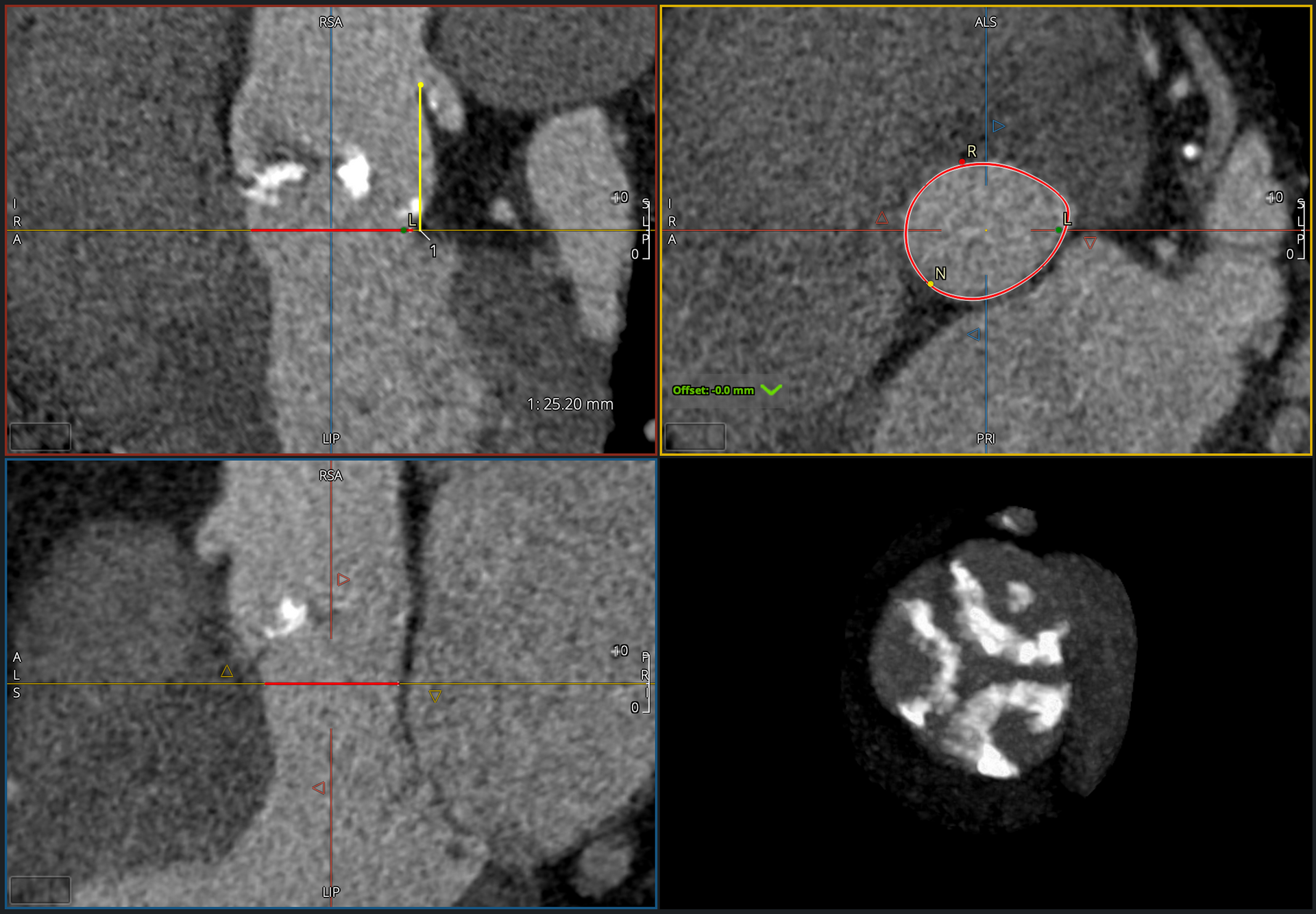
Every Scan. One Plan. One Platform. With Medicare coverage now finalized for asymptomatic severe aortic stenosis, cvi42 gives TAVR programs the automated planning, standardized reporting, and single-platform efficiency needed to scale safely and sustainably. Calgary, AB — September 11, 2026 — Circle Cardiovascular Imaging Inc. (Circle CVI), a global leader in AI-driven cardiovascular imaging software, today welcomed the final decision by the Centers for Medicare & Medicaid Services (CMS), announced September 10, 2026, to modernize its national coverage determination (NCD) for transcatheter aortic valve replacement (TAVR). The finalized policy extends Medicare coverage to patients with asymptomatic severe aortic stenosis and eliminates coverage-with-evidence-development (CED) requirements for symptomatic patients — CED requirements remain in place for asymptomatic patients — while revising pre-procedural assessment, intraoperative, and procedural-volume criteria. CMS also clarified the heart team requirement at the center of the policy: every case review must include at least one cardiac surgeon and one interventional cardiologist experienced in aortic valve disease. The decision follows the landmark EARLY TAVR trial, in which early intervention in asymptomatic severe aortic stenosis reduced the composite of death, stroke, or heart failure hospitalization to 15.2%, versus 24.2% with clinical surveillance — evidence that also supported the FDA's expanded indication for TAVR in asymptomatic patients earlier this year. With an estimated hundreds of thousands of Americans living with unaddressed severe aortic stenosis , the finalized coverage policy is expected to significantly increase the number of patients referred for TAVR evaluation. “CMS has opened the door for many more patients to be treated earlier, when outcomes are best. The question every structural heart program now faces is how to absorb that growth without compromising quality,” said Erkan Akyuz, Chief Executive Officer of Circle CVI . “Every TAVR journey begins with imaging. cvi 42 was built to make that first step — and every step after it — faster, more consistent, and more scalable, so heart teams can turn expanded coverage into expanded access. That's the idea behind cvi 42 for structural heart: every scan, one plan, one platform. Whichever stage a patient is at — planning today, surveillance next year — the same platform reads it, so nothing gets lost switching tools.” Imaging Is the Gateway to TAVR — and the Bottleneck to Scale Every TAVR candidate requires a comprehensive pre-procedural CT workup: aortic annulus sizing, coronary height assessment, calcification evaluation, and iliofemoral access route analysis. As programs extend evaluation to asymptomatic patients — who are often younger and will live longer with their first valve — planning decisions around valve sizing, coronary access, and lifetime management become even more consequential. At the same time, CMS's finalized requirements mean more hospitals can build TAVR programs, and existing programs will see referral volumes climb. cvi 42 , Circle's unified cardiovascular imaging platform trusted by more than 2,100 hospitals in over 90 countries, addresses this demand across the entire structural heart pathway: Efficient TAVR planning. Fast, intuitive, and reproducible CT-based workflows for valve sizing and vascular access assessment reduce the time from referral to heart team decision, helping programs shorten waitlists as volumes grow. Standardized, heart-team-ready reporting. Customizable structured reports deliver exactly what the implanting physician needs, supporting the multidisciplinary heart team model. Comprehensive patient assessment. cvi 42 's multi-modality platform — spanning cardiac CT, cardiac MR, interventional planning, and electrophysiology planning — supports the deeper phenotyping heart teams need to select the right patients and plan the right intervention. Beyond the aortic valve. The same platform supports transcatheter mitral valve replacement (TMVR) planning and left atrial appendage occlusion (LAAC) planning, allowing programs to standardize one imaging environment across their entire structural heart service line — whichever of those scans a given patient needs. A Clear Return on Investment for Growing Programs For hospital and health system leaders, the finalized NCD is both an opportunity and an operational challenge: more covered patients, more planning CTs, and more pressure on imaging teams. Circle's value model is designed so that growth in procedural volume translates into sustainable program economics: Do more with the same team. Automation and zero-click segmentation reduce manual processing, enabling higher study throughput per reader — critical as asymptomatic referrals expand the evaluation funnel. One platform instead of many. Consolidating cardiac MR, cardiac CT, vascular, and interventional planning point solutions onto a single platform lowers total cost of ownership, simplifies IT and training overhead, and eliminates redundant licensing. Revenue capture that scales. Circle's pricing models spread software costs across the broader imaging portfolio, helping organizations convert imaging reimbursement into sustainable margins as TAVR volumes rise. Faster time to treatment. Streamlined planning and reporting shorten the interval from diagnosis to intervention — improving both the patient experience and program capacity utilization. “The evidence is clear that earlier treatment saves lives, and the post-procedure data are equally clear that outcomes depend on rigorous, comprehensive assessment before the procedure,” said Kevin Steel, DO, Chief Medical Officer of Circle CVI . “As coverage expands to asymptomatic patients, imaging carries even more of the decision-making weight. Our goal with cvi 42 is to give heart teams reproducible, quantitative answers in minutes — so clinical confidence scales as fast as case volume.” Supporting Programs Through the Transition Circle CVI will work with new and expanding TAVR programs as the finalized NCD takes effect, including workflow assessments for structural heart imaging, deployment of standardized TAVR planning and reporting templates, and training for imaging teams preparing for higher evaluation volumes. As part of that commitment, Circle CVI will host a live webinar, “From CT to TAVR: Streamlining Structural Heart Preplanning with cvi42,” on Wednesday, September 23, 2026, at 9:00 a.m. PT / 10:00 a.m. MT / 11:00 a.m. CT / 12:00 p.m. ET . Moderated by Kevin Steel, DO, Chief Medical Officer of Circle CVI, the session features guest speaker Jesus Mendiolaza, MD, MPH, FACC, FASE, FSCCT, FSCMR, FHFSA, Director, Humana Centerwell, Orlando, a multi-modality cardiovascular imaging specialist. The session will walk through the pre-procedural TAVR pathway under the finalized coverage policy — from CT acquisition through annulus sizing, access assessment, and the standardized report the heart team receives. Registration is open at CT to TAVR Registration . About Circle Cardiovascular Imaging Inc. Founded in 2007 and headquartered in Calgary, Canada, Circle Cardiovascular Imaging Inc. develops cvi 42 , a unified, AI-driven platform for the analysis of cardiovascular MR, CT, and interventional planning studies — every scan, one plan, one platform. cvi 42 is used in more than 2,100 hospitals across 90+ countries, supporting millions of cardiac exams every year. Circle CVI is dedicated to advancing cardiovascular care by delivering fast, reproducible, and clinically meaningful imaging insights. Learn more at circlecvi.com. For more information, please visit www.circlecvi.com or contact: marketing@circlecvi.com
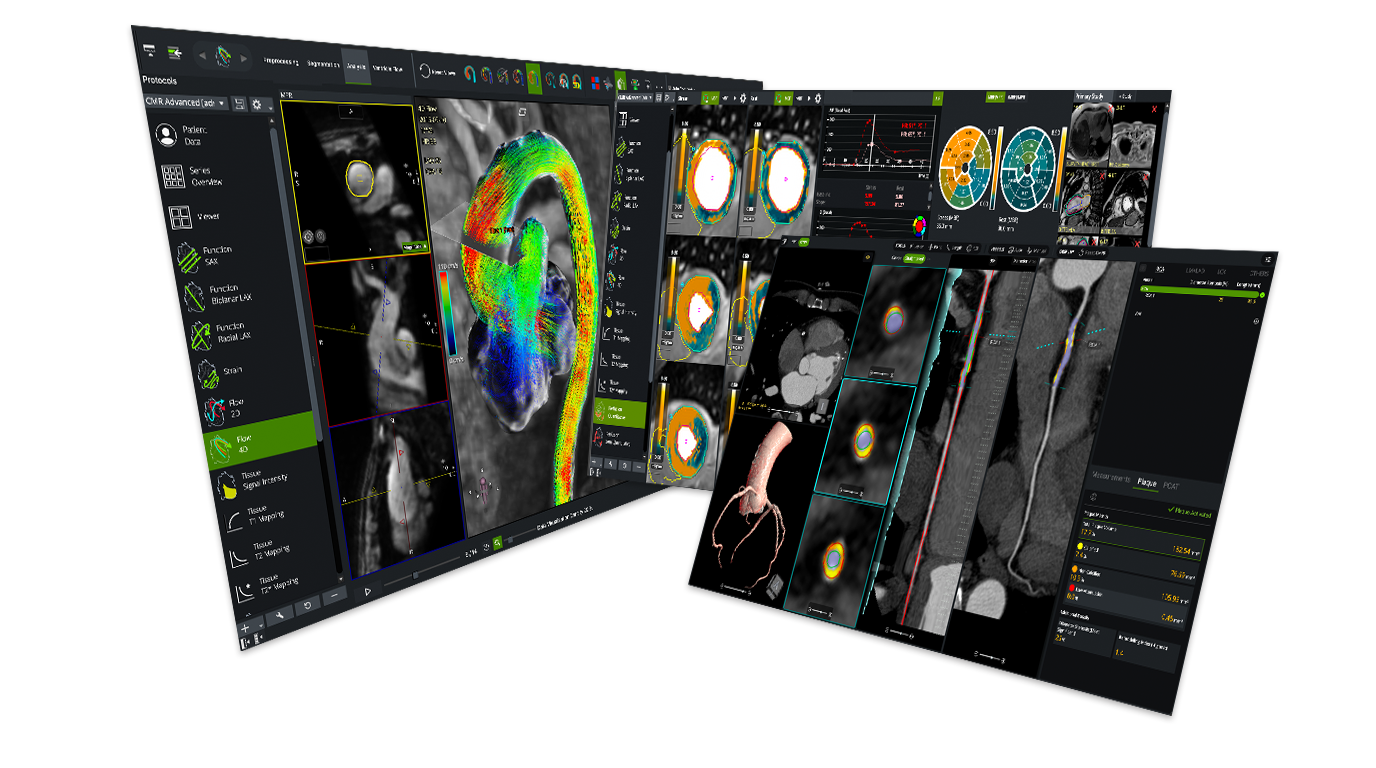
cvi42 v6.5 automates 4D Flow preprocessing, streamlines CT plaque and calcium workflows, and enhances reporting — from acquisition to insight, faster.
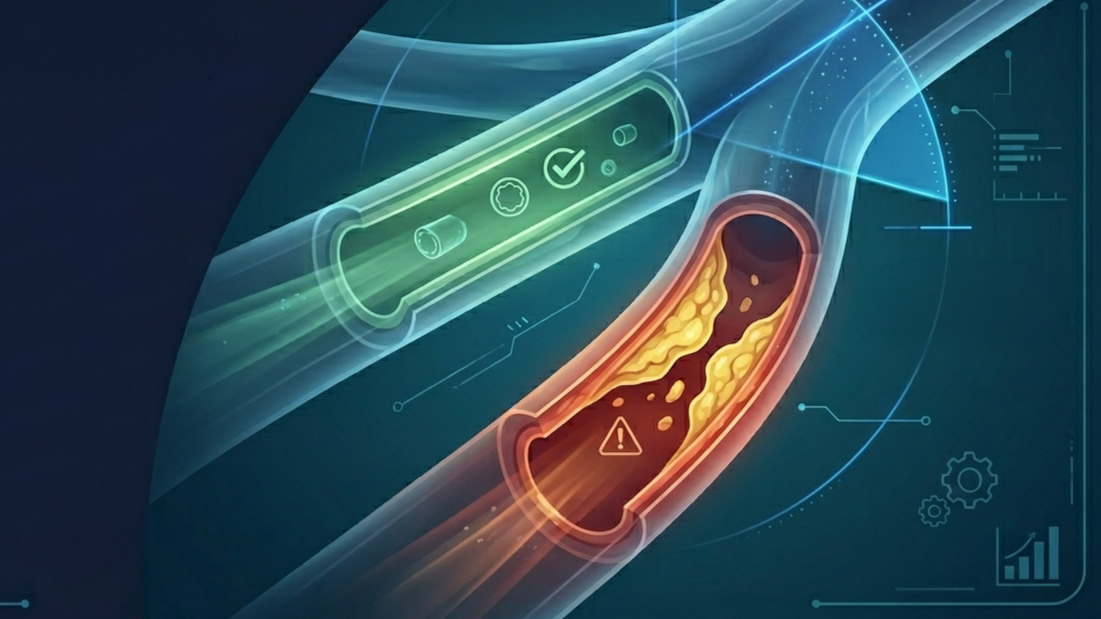
In cases where the clinical picture alone is insufficient to guide treatment, CT plaque analysis serves as a powerful tie-breaker — moving the decision from population-level risk estimates to a direct assessment of what is occurring inside an individual patient's arteries. When results reveal no significant plaque, this provides objective evidence that the patient's arterial health is better than their risk factors alone might suggest. This finding can reasonably support a decision to defer or withhold statin therapy, while offering meaningful reassurance to both the patient and their clinician.
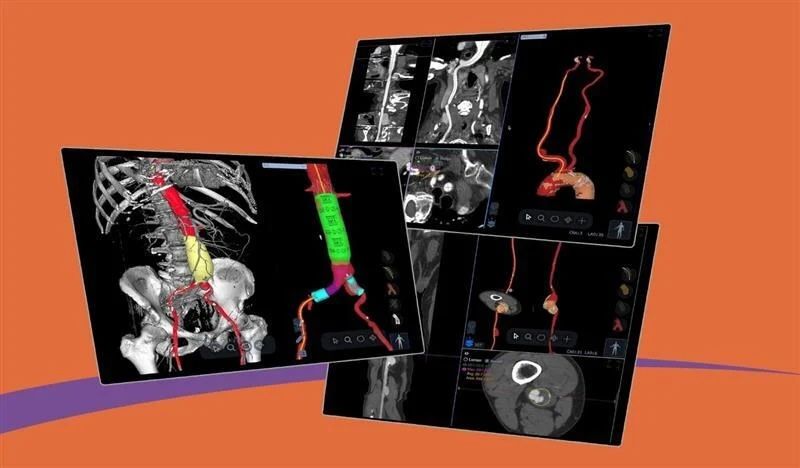
New solution brings advanced vascular analysis into the cvi42 cardiovascular imaging ecosystem. Highlights Circle Cardiovascular Imaging (Circle CVI) has expanded its cvi42 platform to include advanced Vascular CT analysis, integrating Astute Imaging’s AI-driven vascular analysis technology. This enhancement enables comprehensive cardiovascular workflows, allowing clinicians to perform cardiac, vascular, and structural heart analysis within a single, unified platform. This integration supports greater efficiency and collaboration across cardiology, radiology, and vascular surgery teams, advancing the use of quantitative, AI-enabled imaging for diagnosis, procedural planning, and post-treatment management Calgary, AB — March 18, 2026 — Circle Cardiovascular Imaging (Circle CVI) today announced the expansion of its cvi42 cardiovascular imaging platform to include advanced Vascular CT analysis, further extending the platform’s capabilities across cardiovascular imaging workflows. The new solution is enabled through a collaboration with Astute Imaging, whose AI-driven vascular analysis technology has been integrated into the cvi42 ecosystem. The addition of Vascular CT capabilities allows clinicians to analyze complex vascular anatomy for diagnosis, endovascular procedure planning, and post-treatment surveillance, all within the same platform used for cardiac imaging and structural heart planning. Advancing Quantitative Cardiovascular Imaging As healthcare systems increasingly adopt quantitative imaging and AI-enabled workflows, clinicians are seeking integrated platforms that can support the full continuum of cardiovascular care — from diagnosis to procedural planning and long-term disease management. The new Vascular CT capabilities extend the scope of cvi42 beyond cardiac imaging, enabling automated vascular analysis within the same environment trusted by cardiovascular teams worldwide. The technology powering these capabilities was developed by Astute Imaging, whose advanced algorithms support automated segmentation, quantification, and visualization of vascular structures. “Fragmented imaging workflows can slow collaboration and decision making between cardiovascular teams,” said Dr. Kevin Steel, Chief Medical Officer, Circle CVI. “By bringing vascular CT analysis into the cvi42 ecosystem, clinicians can work from the same platform across cardiac and vascular cases, helping improve efficiency and coordination of care.” Cardiac and vascular analysis within a unified workflow helps multidisciplinary cardiovascular teams collaborate more effectively across cardiology, radiology, and vascular surgery. ABOUT CIRCLE CARDIOVASCULAR IMAGING Circle Cardiovascular Imaging Inc. (Circle CVI) is a Canadian-based company founded in 2007 with a mission to develop innovative software solutions that enhance cardiovascular and cerebrovascular imaging analysis and ultimately improve patient care. Circle’s flagship platform, cvi42 , delivers best-in-class image reading and reporting tools for quantitative and qualitative assessment of cardiac MR, cardiac CT, vascular CT, and neuro CT . At the core of Circle’s work is a relentless commitment to empowering healthcare providers with advanced, intuitive tools that lead to better healthcare outcomes. This passion for innovation, rooted in both medicine and technology, drives Circle’s global impact and fuels a culture of excellence. Today, millions of medical imaging exams each year, across 1,700+ hospitals in over 90 countries, are interpreted using Circle’s cvi42 platform. For more information, please visit www.circlecvi.com or contact: marketing@circlecvi.com About Astute Imaging Astute Imaging Inc. is a U.S.-based company founded in 2022 with a mission to become a best-in-class provider of AI-enabled vascular imaging and care management software for healthcare providers and MedTech companies. Astute Imaging delivers a fully automated, AI-enabled workflow supporting diagnostics, surgical planning, and longitudinal patient follow-up. The platform covers all major vascular anatomies, including the aorta, carotid arteries, and peripheral vasculature. In addition, Astute Imaging provides AI-enabled virtual device simulation, allowing surgeons to visualize and automatically identify the most appropriate device for a patient’s anatomy, enabling highly personalized procedural planning and care management. Astute Imaging’s technology is also used by medical device companies for regulatory and research applications, including core lab services and R&D support. For media inquiries, please contact: marketing@astuteimaging.com